Omaha Replacement Windows
ENERGY STAR-rated, properly installed, and built to handle Nebraska’s temperature extremes. New windows lower your energy bills, increase comfort, and transform how your home looks — inside and out.
What We Install
Windows That Pay You Back
Old or failing windows do more than look dated — they’re typically the single biggest source of energy loss in a home. The Department of Energy estimates 25–30% of residential heating and cooling energy is lost through inefficient windows. In Omaha’s climate, that’s real money every month.
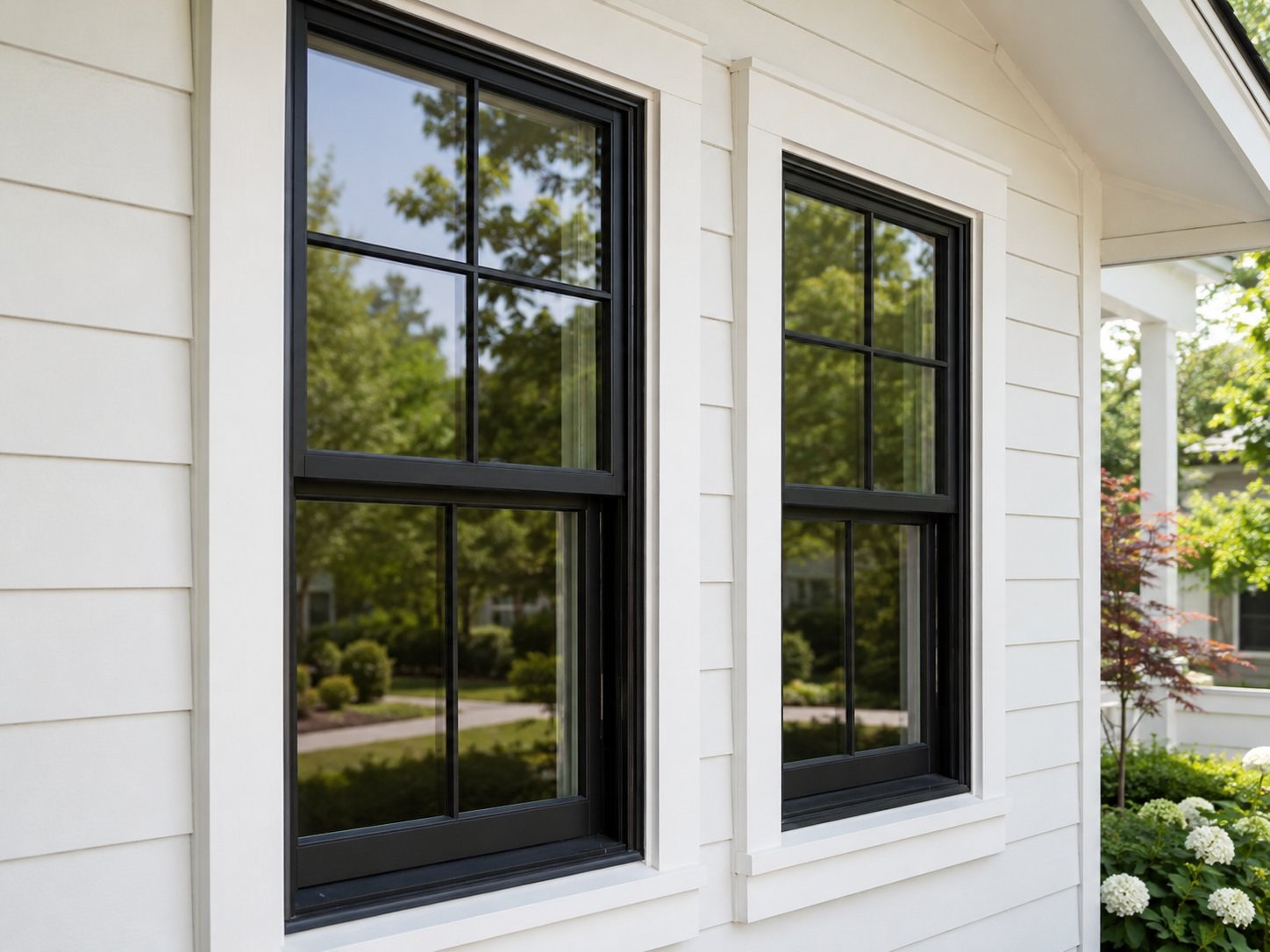
We install ENERGY STAR-rated double- and triple-pane windows from manufacturers we trust, in vinyl, fiberglass, and composite frames. Every window we install includes proper flashing, foam insulation around the frame, and an airtight seal — the install matters as much as the window itself for long-term efficiency.
Frame options range from cost-effective vinyl (great performance, wide color range, low maintenance) to fiberglass (extremely durable, paintable, premium look) to composite (the strength of fiberglass with woodgrain aesthetics). We’ll explain the trade-offs and let you decide what fits your home and budget.
Our Process
How Window Replacement Works
Free Consultation
We measure every window, discuss your goals (efficiency, aesthetics, soundproofing, or all three), and provide a written estimate.
Style & Frame Selection
Single-hung, double-hung, casement, slider, picture — we walk you through styles, frame materials, glass options, and grid patterns.
Custom Order
Windows are made to your exact measurements. Lead time is typically 4–6 weeks depending on manufacturer and customization.
Install & Finish
We remove old windows, install new ones with proper flashing and foam insulation, and finish interior trim. Most homes are completed in 1–3 days.
When to Replace
Signs Your Windows Need Replacement
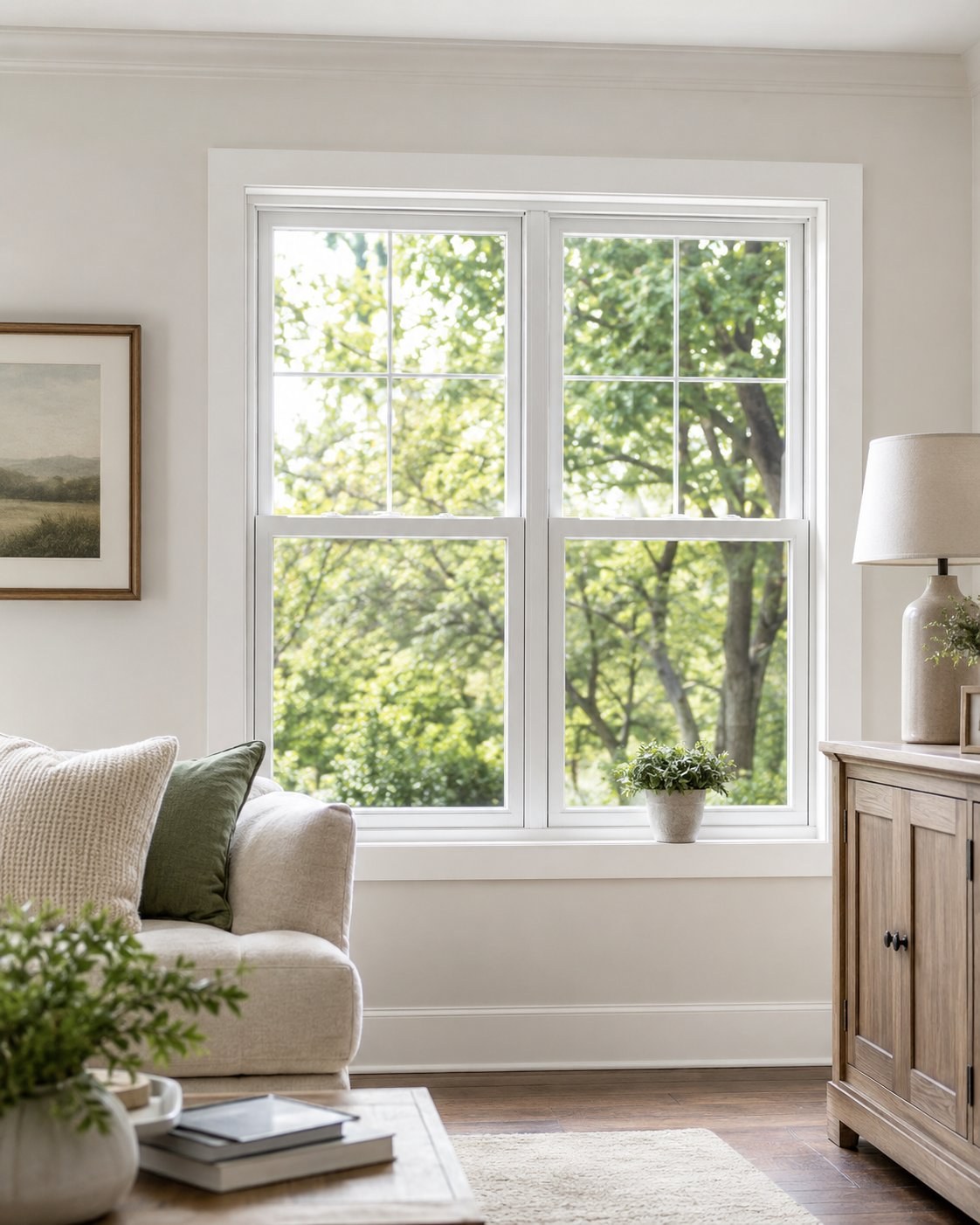
Windows fail in stages — usually you start noticing small things before the bigger problems show up. Watch for these signs.
Drafts You Can Feel
If you can feel cold air near a window in winter, the seal has failed. The frame, sash, or glass unit is letting outside air in.
Condensation Between Panes
Fog or moisture trapped between glass layers means the insulating seal has broken. The window has lost its insulating value — replacement is the only fix.
Rising Energy Bills
A 15–25% jump in heating or cooling costs without weather extremes often points to deteriorating windows.
Difficulty Opening or Closing
Sticking, jamming, or sashes that won’t stay open indicate worn balances, swollen frames, or settled walls.
Outside Noise Bothers You
Single-pane or worn windows let in significantly more street noise than modern double- or triple-pane units. Newer glass options can dramatically reduce noise.
Visible Damage or Rot
Cracked glass, rotted wood frames, peeling paint, or water stains around the sill mean replacement is overdue.
Common Questions
Window Replacement Questions
Don’t see your question? Call us at (402) 979-6870 — we’re happy to talk it through. No pressure, no upselling.
How much can new windows save on my energy bills?
What’s the difference between vinyl, fiberglass, and composite frames?
Should I get double-pane or triple-pane windows?
What’s an ENERGY STAR window?
How long does window installation take?
Can you replace windows in winter?
Will new windows reduce outside noise?
Do you handle storm-damaged windows through insurance?
Related Services
Related Services
Get a Free Window Estimate
On-site measurement, energy efficiency consultation, and a clear written quote.